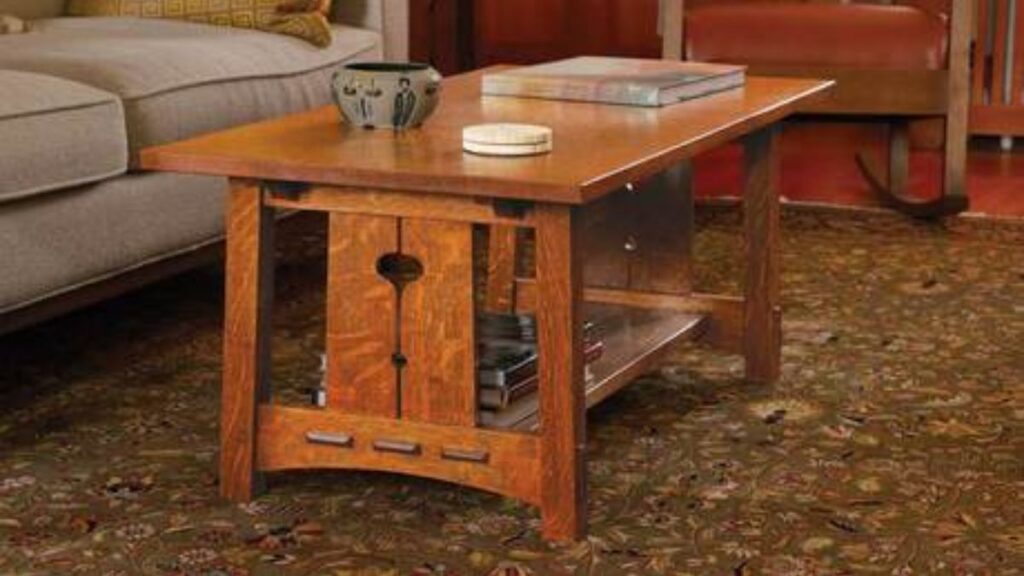
Introduction to Woodwork Coffee Tables
Imagine gathering with friends around a beautifully crafted coffee table, each piece telling its own story. Woodwork coffee tables are more than just furniture; they embody artistry and craftsmanship that elevate any living space. These stunning creations bring warmth and character to homes, serving as the perfect centerpiece for conversation and connection.
In an age of mass production, handcrafted woodwork stands out as a testament to skilled artisans who pour their heart into every cut and finish. Whether you prefer rustic charm or modern sophistication, there’s something uniquely appealing about a table that is made with care. Let’s delve deeper into the world of woodworking and explore why these exquisite pieces deserve a place in your home.
History and Origin of Woodworking
Woodworking has ancient roots, tracing back to the dawn of civilization. Early humans used simple tools made from stones and bones to shape wood for practical purposes. This craft evolved as societies advanced.
In Mesopotamia, skilled artisans began creating intricate wooden furniture around 3000 BCE. The Egyptians took it a step further with finely crafted pieces adorned with gold leaf and shells. These works reflected status and power.
As cultures mingled through trade routes, woodworking techniques spread across continents. The Greeks introduced elegant forms while the Romans perfected joinery methods that are still admired today.
During the Middle Ages, craftsmanship flourished in Europe, leading to elaborate designs in cathedrals and homes alike. Each period brought unique styles influenced by cultural shifts, making woodworking a vibrant art form that continues to evolve today.
The Importance of Quality Materials in Crafting Coffee Tables
When it comes to crafting woodwork coffee tables, the materials you choose can make all the difference. High-quality wood not only enhances durability but also adds character and uniqueness to each piece.
Hardwoods like oak, walnut, or cherry are often preferred for their strength and beauty. These woods resist wear while showcasing stunning grain patterns that tell a story of nature’s artistry.
Beyond the wood itself, attention to detail in finishes is crucial. Natural oils and eco-friendly varnishes protect surfaces while enriching color depth. This combination ensures your table looks great for years.
Additionally, incorporating sustainable materials demonstrates responsible craftsmanship. It resonates with those who value environmental consciousness alongside aesthetics.
Quality materials elevate your coffee table from mere furniture to a cherished centerpiece that reflects both style and care in its creation.
Tools and Techniques Used in Woodworking
Woodworking is a blend of art and skill. The tools used are essential for transforming raw wood into beautiful pieces.
Hand tools like chisels, planes, and saws allow for precision cuts. A skilled craftsman can shape and refine wood in ways that power tools often can’t replicate.
Power tools bring speed to the process. Routers create intricate designs, while table saws ensure straight, clean cuts. These machines save time without sacrificing quality when used correctly.
Techniques vary widely among artisans. Some prefer traditional joinery methods such as dovetail or mortise-and-tenon joints for strength and beauty. Others embrace modern techniques like pocket hole joinery for efficiency.
Finishing touches elevate any piece. Staining enhances natural grain patterns, while varnish protects against wear over time. Each technique contributes to the unique character of every coffee table crafted with care and passion.
Popular Designs and Styles of Woodwork Coffee Tables
Woodwork coffee tables come in a dazzling array of designs, each offering its unique charm. The farmhouse style is a favorite, characterized by rustic wood finishes and sturdy construction. This design evokes warmth and comfort, making it perfect for cozy living spaces.
For those who appreciate modern aesthetics, minimalist wooden tables with clean lines and sleek surfaces stand out. These pieces often use lighter woods to create an airy feel that complements contemporary décor.
Mid-century modern styles are also popular, featuring iconic tapered legs and organic shapes. They bring a touch of nostalgia while remaining timelessly chic.
Moreover, reclaimed wood tables add character through their history. Each scratch or knot tells a story, making these pieces not just functional but also full of personality.
Whether you prefer bold statement pieces or understated elegance, there’s a woodwork coffee table design that fits every taste.
Tips for Maintaining and Caring for Your Woodwork Coffee Table
To keep your woodwork coffee table looking its best, regular dusting is essential. Use a soft microfiber cloth to gently wipe away dirt and debris. This simple step prevents scratches and maintains the finish.
Avoid placing hot items directly on the surface. Always use coasters or trivets to protect against heat damage. Wood can warp or discolor when exposed to high temperatures.
Spills should be addressed immediately. Blot any liquid with a clean cloth instead of rubbing it in, which could cause further damage.
Apply furniture polish occasionally but choose products specifically designed for wood finishes. A light application will help nourish the wood without leaving a greasy residue.
Try to minimize direct sunlight exposure as UV rays can fade colors over time. Position your coffee table strategically or consider using curtains to shield it from intense sunlight throughout the day.
Conclusion: Why Handcrafted Coffee Tables are Worth the Investment
Handcrafted coffee tables offer a unique blend of artistry and functionality. They stand as a testament to the skill and passion of artisans who pour time and effort into their creations. Each piece tells its own story, showcasing the wood’s natural beauty while offering practical use in your living space.
Investing in a handcrafted woodwork coffee table is more than just acquiring a piece of furniture; it’s about owning something that carries character and individuality. Unlike mass-produced options, these tables are often made from high-quality materials that ensure durability, making them not only visually appealing but also long-lasting.
Moreover, supporting local artisans promotes sustainability within the community. It encourages traditional craftsmanship to thrive amid modern manufacturing practices. By choosing handcrafted items, you are contributing to an economy that values creativity over conformity.
Incorporating a custom-made woodwork coffee table into your home elevates any room’s aesthetic appeal while providing function for everyday life. Embrace this investment knowing it will serve both style and purpose for years to come.