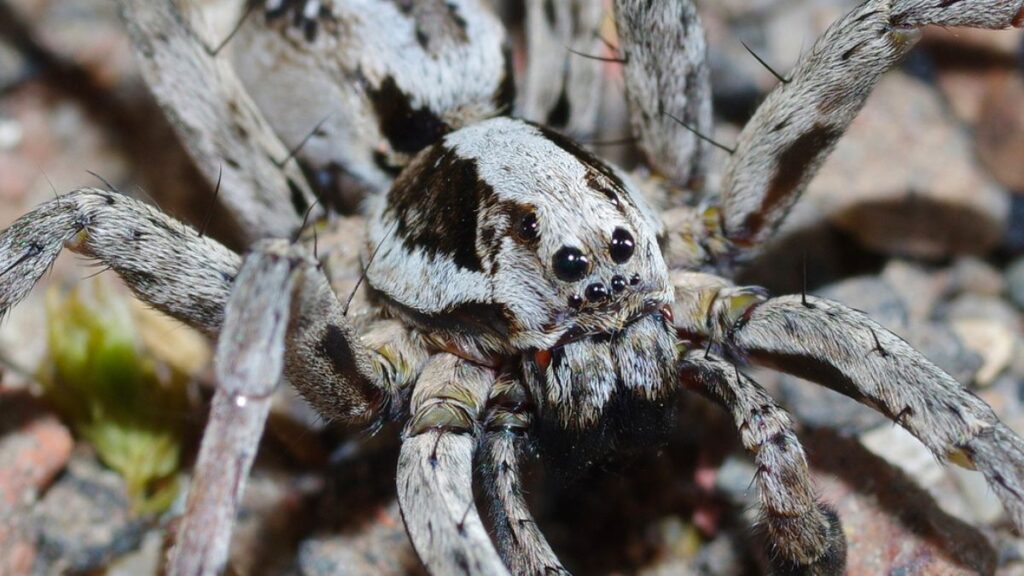
Introduction to Wolf Spider
When you think of spiders, what comes to mind? Creepy crawlers lurking in the shadows or perhaps a fear-inducing face peering from behind a web? However, today we’re focusing on one particularly fascinating arachnid—the wolf spider. With its agile movements and impressive hunting skills, this unsung hero of the insect world deserves some serious attention. Unlike their web-spinning cousins, wolf spiders are nature’s stealthy hunters, prowling through grass and underbrush with precision. Dive into the captivating realm of wolf spiders as we uncover their secrets, behaviors, and vital role in maintaining ecological balance.
Physical Characteristics and Behavior
Wolf spiders are fascinating creatures, easily recognized by their robust bodies and long legs. They typically range from 0.4 to 2 inches in size, depending on the species. Their coloration often blends seamlessly with their surroundings—shades of brown, gray, or tan help them stay hidden.
These spiders possess excellent vision due to their large eyes arranged in rows. This adaptation is vital for spotting prey and avoiding predators during nighttime hunts.
Unlike many spider species that spin webs, wolf spiders prefer a more active hunting approach. They stalk and pounce on their prey with impressive agility.
Behaviorally, these spiders are solitary hunters. When not actively seeking food, they can be found hiding under rocks or within vegetation during the day. Their quick movements make them elusive targets for both predator and observer alike.
Their unique blend of adaptability and stealth makes the wolf spider one of nature’s most intriguing hunters.
Hunting Techniques of Wolf Spider
Wolf spiders are remarkable hunters. They don’t spin webs like many of their spider cousins; instead, they rely on speed and agility. With their keen eyesight, these arachnids can spot prey from a distance.
When stalking, they move with stealth. Their eight legs allow for swift movements across various terrains. Once within striking distance, they pounce with incredible precision.
Their hunting strategy often involves ambushing unsuspecting insects. This adaptability means they can hunt both day and night, maximizing opportunities to feed.
They also have a unique method of using vibrations to detect movement around them. This skill enhances their ability to track down potential meals in dense vegetation or dark corners of the ground.
The wolf spider’s approach exemplifies nature’s ingenuity in predator-prey dynamics, showcasing efficiency and effectiveness in the wild.
Unique Adaptations for Survival
Wolf spiders possess remarkable adaptations that enhance their survival in diverse environments. Their excellent vision is one such trait, with eight eyes arranged to provide a wide field of view. This keen sight helps them detect movement and hunt efficiently.
Camouflage plays a significant role in their ability to evade predators. The earthy tones of their bodies blend seamlessly into the forest floor or grasslands, making it easier for them to ambush prey without detection.
Another unique adaptation is their agility. Unlike many other spider species, wolf spiders do not rely on webs for hunting. Instead, they are quick runners, using speed and stealth to capture elusive insects.
They also exhibit an impressive maternal instinct. Female wolf spiders carry their egg sacs attached to their spinnerets until they hatch, ensuring greater protection for the young during early development stages.
Comparison to Other Spider Species
Wolf spiders stand out among their arachnid cousins in several ways. Unlike many spider species that rely on webs to catch prey, wolf spiders are active hunters. Their agility and speed set them apart.
While orb-weavers construct intricate webs, wolf spiders prefer ground hunting. They stalk their prey with impressive stealth, showcasing instincts similar to those of a feline predator.
In comparison to jumping spiders, wolf spiders lack the vibrant colors and small size. However, their robust build and powerful legs allow them to cover ground quickly when pursuing insects.
Another notable difference is their reproductive behavior. Many spider species exhibit elaborate courtship rituals; however, wolf spider males engage in simpler displays before mating directly with females on the ground.
This versatility makes the wolf spider an intriguing subject for study within the diverse world of arachnids.
Misconceptions and Facts about Wolf Spider
Wolf spiders often get a bad rap. Many people assume they are dangerous due to their size and appearance. However, they are not aggressive towards humans and typically avoid confrontation.
Another common misconception is that all large spiders can harm us. In reality, wolf spiders possess venom but it’s mild and rarely affects healthy adults. They primarily hunt insects, making them beneficial for pest control.
Many believe wolf spiders spin webs like other species do. Instead, these skilled hunters rely on speed and agility to catch prey. Their hunting strategy involves stealth rather than web-building.
Additionally, some think these creatures only live in dark corners of the house. Wolf spiders prefer outdoor habitats like gardens or forests where they can thrive in natural settings with plenty of food sources nearby.
Importance in the Ecosystem
Wolf spiders play a vital role in maintaining ecological balance. As skilled predators, they help control populations of insects and other small arthropods. This natural pest management is crucial for gardens, farms, and even urban settings.
Their hunting habits contribute to the health of various ecosystems. By regulating prey numbers, wolf spiders assist in preventing infestations that could disrupt plant life or harm human interests.
Additionally, these spiders are an essential food source for many animals. Birds, reptiles, and larger mammals rely on them as part of their diet. The presence of wolf spiders can indicate a healthy environment rich in biodiversity.
As resilient hunters adaptable to different habitats—from forests to grasslands—they enhance the complexity of food webs within their ecosystems. Their existence underscores the interconnectedness of all living organisms and highlights the intricate relationships that sustain nature’s balance.
Human Encounters with Wolf Spider
Human encounters with wolf spiders often ignite curiosity and fear. These stealthy hunters can surprise people when spotted in gardens or homes, typically during warmer months. Their impressive size and swift movement can be alarming, but they rarely pose a threat to humans.
Most interactions are harmless. Wolf spiders prefer to stay hidden under rocks or within vegetation. When disturbed, they usually scurry away rather than confront any perceived danger.
People may mistake them for more dangerous species due to their appearance, which adds to the anxiety surrounding these creatures. Education plays a crucial role in alleviating this concern.
Some individuals find charm in observing them hunt or navigate their environment. For many nature enthusiasts, spotting a wolf spider becomes an exciting experience that showcases the beauty of local wildlife. Understanding these remarkable arachnids fosters appreciation rather than apprehension.
Conservation Efforts for Wolf Spider
Conservation efforts for wolf spiders are essential to maintaining biodiversity. Despite their somewhat intimidating appearance, these creatures play a critical role in pest control and ecosystem balance.
Organizations focused on spider conservation work to educate the public about the importance of these arachnids. Many initiatives highlight their beneficial traits, aiming to dispel fears associated with them.
Habitat preservation is another crucial aspect of conservation. Protecting wetlands, grasslands, and forests helps ensure that wolf spiders have suitable environments for hunting and reproduction.
Research plays a significant role as well. Scientists study various species of wolf spiders to better understand their behaviors and ecological functions. This knowledge aids in informing conservation strategies tailored specifically for them.
Community involvement can amplify efforts too. Local groups often participate in clean-up events or habitat restoration projects that indirectly benefit these stealthy hunters while fostering appreciation among residents.
Conclusion
Wolf spider are fascinating creatures that play a vital role in maintaining the balance of our ecosystems. Their unique hunting techniques and adaptations for survival showcase nature’s incredible ingenuity. While they may be feared by some, understanding these stealthy hunters can shift perceptions and promote coexistence.
These remarkable arachnids continue to intrigue researchers and nature enthusiasts alike. By shedding light on their behaviors, ecological importance, and conservation needs, we can foster greater appreciation for wolf spiders. As guardians of our gardens and fields, they remind us of the intricate web of life where every species has its place. Embracing this knowledge enables us to protect not just wolf spiders but the diverse habitats they call home as well.