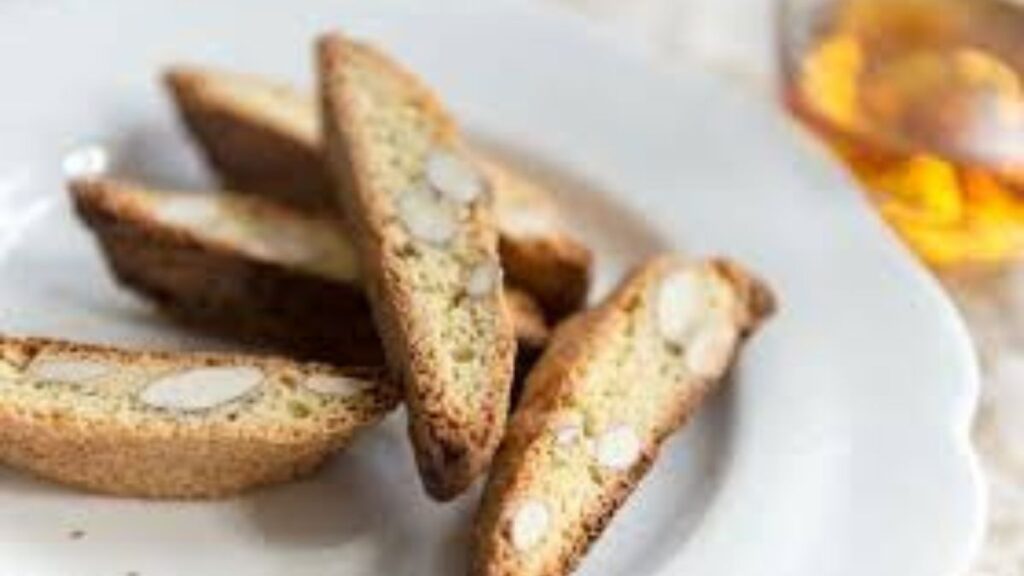
Introduction to Biscolussi and Traditional Cookies
When it comes to satisfying our sweet tooth, cookies are often at the top of the list. Among the vast array of cookie options available today, two contenders stand out: Biscolussi and traditional cookies. Each offers its own unique charm and flavor profile that captivates bakers and snack lovers alike.
But what truly sets these two types apart? Is it their history, ingredients, or perhaps something more elusive like texture and taste? Join us on a delicious journey as we explore the fascinating world of Biscolussi versus traditional cookies. Prepare for mouthwatering details that will help you decide which treat deserves a spot in your pantry!
History of Biscolussi and Traditional Cookies
The journey of cookies is rich and varied, with traditional cookies dating back centuries. Ancient civilizations baked sweet treats using honey, nuts, and grains. Over time, these evolved into the delightful confections we know today.
Enter Biscolussi—a modern twist on classic cookies that emerged in Italy. Known for their unique blend of flavors and textures, they quickly captured hearts beyond borders. These cookie innovations began gaining popularity in the late 20th century.
While traditional cookies boast nostalgia with recipes passed through generations, Biscolussi brings ingenuity to the table. The fusion of diverse ingredients defines them as a contemporary favorite among dessert lovers seeking something different yet familiar.
Both types celebrate culinary creativity but represent distinct eras in baking history—one rooted in tradition and the other boldly stepping forward into new realms of flavor exploration.
Ingredients Used in Each Type of Cookie
Biscolussi cookies are known for their unique blend of ingredients that sets them apart. Typically made with high-quality flour, these treats often incorporate almond or hazelnut flour, lending a nutty essence. The addition of natural flavors like citrus zest can elevate their taste profile.
On the other hand, traditional cookies usually rely on all-purpose flour as their base. Common additions include classic butter and granulated sugar, creating a rich flavor that many love. Chocolate chips or oatmeal may find their way into these recipes too.
When it comes to leavening agents, Biscolussi may use baking powder sparingly compared to traditional options which might also include baking soda. This difference affects not only the rise but also the texture—making Biscolussi lighter and more delicate in comparison to denser traditional varieties. Each ingredient plays a crucial role in defining what makes each cookie distinct.
Texture and Taste Differences Between Biscolussi and Traditional Cookies
Biscolussi brings a unique twist to the cookie world with its signature texture. Unlike traditional cookies that often lean towards soft or chewy, Biscolussi offers a delightful crunch. Each bite shatters into satisfying crumbs, making it an experience in itself.
The taste profile of Biscolussi is also distinct. Infused with hints of almond or vanilla, these cookies evoke a richer flavor spectrum than many standard options. They are subtly sweet but never overpowering, allowing for enjoyable layers of flavor.
On the other hand, traditional cookies tend to focus on familiar tastes like chocolate chip or oatmeal raisin. Their flavors can be comforting but often lack the adventurous spirit found in Biscolussi varieties.
When you choose between them, consider what you’re craving: the classic warmth of tradition or the exciting crunch and complexity of Biscolussi.
Nutritional Comparison: Which is Healthier?
When comparing the nutritional profiles of biscolussi and traditional cookies, it’s essential to look at their ingredients. Biscolussi often uses alternative sweeteners and whole grains, which can offer more fiber. This might make them a lighter option for those watching their sugar intake.
Traditional cookies typically rely on refined sugars and white flour. While they are undeniably delicious, these ingredients can lead to quicker spikes in blood sugar levels.
On the other hand, some traditional recipes incorporate nuts or oats, adding healthy fats and protein. This gives them a bit of an edge in terms of satiety.
The debate also hinges on portion sizes. Many enjoy biscolussi as a snack with fewer calories per piece compared to traditional varieties that may be larger and richer in fat content.
Your choice could depend on dietary preferences or specific health goals.
Popularity and Availability of Both Types of Cookies
Biscolussi have carved out a niche for themselves in recent years. Their unique flavor profiles and appealing textures attract cookie lovers looking for something different. You’ll often find them at gourmet bakeries or specialty shops, showcasing their artisanal quality.
Traditional cookies, on the other hand, are ubiquitous. They grace store shelves, school lunches, and family gatherings alike. Classic flavors like chocolate chip and oatmeal raisin remain crowd favorites across generations.
While Biscolussi may not be as widely available in mainstream supermarkets, they shine during festive seasons or local events. This limited availability adds to their allure—each bite feels special.
Conversely, traditional cookies benefit from mass production. You can grab a pack almost anywhere you go. However, true enthusiasts still appreciate homemade versions that evoke nostalgia and warmth with every taste experience offered by both types of cookies.
Conclusion: The Winner in the Battle of Biscolussi vs. Traditional Cookies
When it comes to the battle of Biscolussi versus traditional cookies, both have their unique charm. Biscolussi stands out with its crispy texture and delightful crunch, often infused with flavors that can surprise even the most discerning palate. On the other hand, traditional cookies offer a nostalgic comfort that many cherish—think soft-baked classics or chewy treats straight from grandma’s oven.
The ingredients play a significant role in defining each type. While traditional cookies may lean on butter and sugar for richness, Biscolussi often incorporates alternative sweeteners and grains for a lighter bite. This difference not only affects taste but also nutritional value.
Speaking of nutrition, if you’re mindful about health, there’s much to consider between these two options. Traditional cookies can pack more calories due to higher sugar and fat content; however, certain varieties of Biscolussi might provide added benefits thanks to whole grain flours or reduced sugars.
Popularity is another factor worth noting. Depending on where you are in the world, one may overshadow the other at local bakeries or grocery stores. Those who seek variety tend to favor Biscolussi for its innovative flavor combinations while others remain loyal to beloved family recipes.
In this delightful duel between two cookie categories, personal preference holds immense power. Whether you’re inclined towards the innovation of Biscolussi or drawn back into childhood memories by classic cookies depends entirely on your taste buds’ whims today!