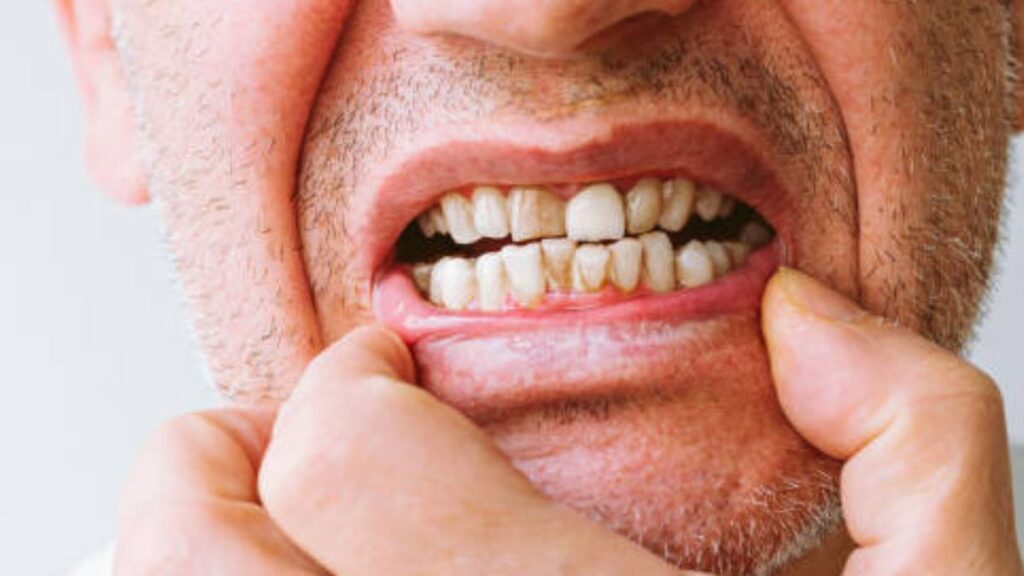
Imagine stepping into a room and instantly feeling the weight of silence. You glance around, but it’s not just shyness keeping people quiet; it’s something deeper—an unspoken barrier stemming from oral health issues. Welcome to the world of dentiloquent communication, where the state of your mouth significantly influences how you express yourself and connect with others.
Oral health isn’t merely about preventing cavities or gum disease; it plays a crucial role in our ability to communicate effectively. When we smile confidently or speak clearly, we create bonds with those around us. However, when dental problems arise, they can hinder this essential aspect of human interaction. From slurred speech to self-consciousness about one’s appearance, poor oral health can lead to frustration and isolation.
This blog post will explore how taking care of our teeth impacts not only our physical well-being but also our social experiences. Join us as we delve into the intricate relationship between oral hygiene and effective communication skills!
The Connection between Oral Health and Communication
Oral health is the foundation of effective communication. A healthy mouth not only allows us to articulate words clearly but also impacts our confidence in social situations. When we feel good about our smiles, we’re more likely to engage in conversations.
The state of our teeth and gums can influence how others perceive us. A bright smile often signals openness and approachability, fostering connections with those around us. Conversely, dental issues may lead to self-consciousness that stifles expression.
Moreover, conditions like tooth decay or gum disease can cause discomfort and pain, making it difficult to speak properly. This struggle affects daily interactions—from casual chats with friends to important presentations at work.
Understanding this connection emphasizes the importance of maintaining oral hygiene as a means of enhancing overall communication skills and social engagement.
The Impact of Poor Oral Health on Communication Skills
Poor oral health can have a profound effect on how we communicate. When dental issues arise, they often hinder confidence during conversations. An individual might hesitate to speak or smile due to concerns about their appearance.
Speech clarity is another casualty of neglected dental care. Missing teeth or misaligned jaws can distort sounds and make it difficult for others to understand spoken words. This breakdown in communication can lead to frustration and social withdrawal.
Moreover, discomfort from toothaches or gum disease can distract someone during interactions. It’s hard to focus on what others are saying when you’re preoccupied with pain.
People often underestimate the psychological impact as well. A lack of proper oral hygiene may contribute to feelings of embarrassment or shame, limiting one’s willingness to engage socially and express themselves freely.
How Dental Issues Can Affect Speech and Language
Dental issues can significantly impact speech and language development. Misaligned teeth, gaps, or missing teeth can alter how sounds are produced. This creates challenges in articulation.
Children with dental problems often struggle with clear pronunciation. They may feel self-conscious about their smiles or how they sound when speaking. This can hinder their willingness to engage in conversations.
Adults are not immune either. Issues like tooth decay or gum disease can lead to changes in the mouth that affect verbal communication. Lingering pain from dental issues might also deter someone from speaking freely.
Moreover, certain dental conditions may create a lisp or other speech impediments, complicating everyday interactions. The complexities of oral health extend beyond physical wellness; they deeply intertwine with our ability to communicate effectively and confidently.
Strategies for Improving Oral Health and Communication
Improving oral health is essential for effective communication. Start with a consistent dental care routine. Brush twice daily and floss regularly. This simple habit can make a world of difference.
Next, consider your diet. Foods rich in calcium, phosphorus, and vitamins A, C, and D promote strong teeth and gums. Crunchy fruits and vegetables can naturally clean teeth while providing nutrients.
Regular dental check-ups are vital too. Dentists can identify issues early on before they affect speech or confidence.
Don’t underestimate the power of hydration. Drinking water helps wash away food particles and keeps your mouth moist, aiding both oral health and clarity in speech.
Practice speaking exercises if you have specific concerns about articulation or pronunciation. Engaging in conversations often builds comfort over time as well!
The Role of Dentists in Promoting Effective Communication
Dentists play a critical role in enhancing communication through oral health. They not only treat dental issues but also educate patients about the importance of maintaining good oral hygiene.
By addressing problems like cavities or gum disease, dentists help remove barriers that hinder effective speech. For many, discomfort from dental pain can lead to hesitation and anxiety when engaging in conversation.
Furthermore, dentists are key advocates for preventive care. Regular check-ups ensure that minor issues don’t escalate into major concerns that could affect voice clarity or articulation.
They also provide valuable insights on how certain dental appliances can aid those with speech difficulties, allowing individuals to express themselves confidently.
In essence, a dentist’s influence extends beyond teeth; they empower patients to communicate freely and effectively in their daily lives.
Case Studies: Real-Life Examples of Improved Communication after Addressing Oral Health
Emily, a 30-year-old teacher, struggled with confidence due to her crooked teeth. Her speech was often unclear, which hindered her ability to engage effectively with her students. After seeking orthodontic treatment and improving her oral hygiene, Emily noticed a remarkable change in how she communicated. Her clarity improved significantly, allowing for more dynamic interactions in the classroom.
Then there’s Mark, who faced challenges at work due to gum disease that caused halitosis. Colleagues avoided conversations because of his breath issues. After dental intervention and adopting better oral care practices, he not only freshened his breath but also regained his self-esteem. Now he actively participates in meetings without hesitation.
These stories highlight the profound impact of addressing dental health on communication skills and social interactions. Each individual transformed their life by prioritizing oral hygiene and seeking professional help from dentists.
Conclusion
The link between oral health and communication is profound. When we think about effective communication, we often focus on vocabulary or tone. However, the state of our teeth and gums plays a crucial role in how we express ourselves.
Poor oral health can significantly impair one’s confidence in speaking. Issues such as bad breath or visible decay can lead to self-consciousness, making individuals hesitant to engage in conversations. This discomfort hampers not only personal relationships but also professional interactions.
Dental problems like misaligned teeth or missing molars can directly affect speech clarity. Specific sounds become challenging to articulate when dental issues are present, disrupting fluency and coherence during conversation.
Taking proactive steps towards better oral hygiene is vital for enhancing both oral health and communication skills. Regular dental visits, proper brushing techniques, and a balanced diet contribute greatly to maintaining healthy teeth and gums.
Dentists play a pivotal role in bridging the gap between oral health and effective communication. They educate patients on the importance of caring for their mouths while addressing specific concerns that may hinder expressive capabilities.
Real-life examples show transformation after prioritizing dental care. Individuals have found renewed confidence after treatments like braces or cosmetic dentistry—showing that improved smiles lead to enhanced social engagement.
Understanding dentiloquent aspects enhances our appreciation for clear expression through improved oral health initiatives makes an undeniable impact on daily life experiences.