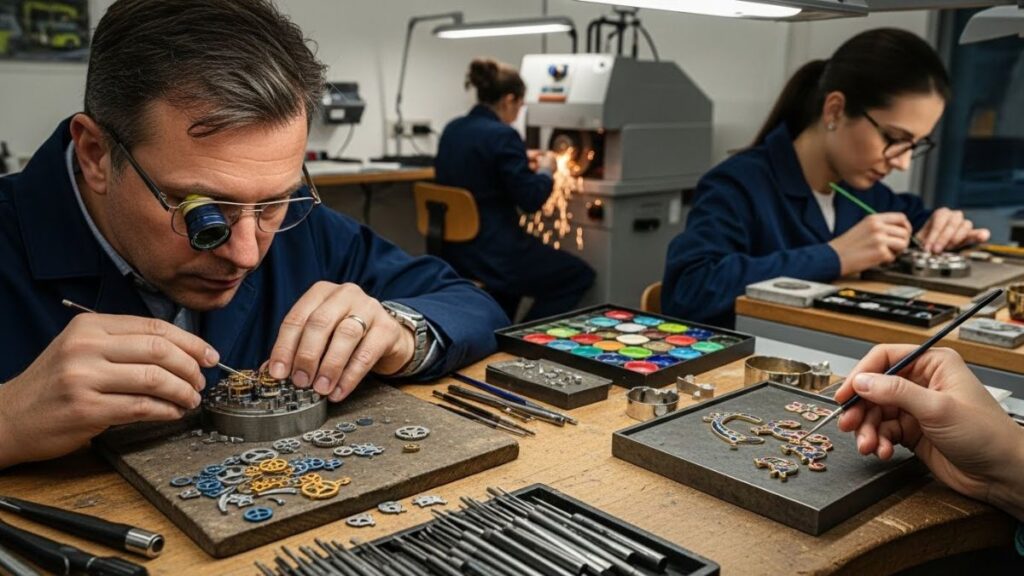
Introduction to Gessolini
Gessolini is a term that may not be familiar to everyone, but its roots run deep and wide through history. From ancient civilizations to modern industries, gessolini has played a significant role in shaping various aspects of our lives. This versatile material boasts a rich heritage, evolving through the ages while adapting to changing needs and technologies. In this blog post, we will explore the fascinating journey of gessolini—from its origins in antiquity to its contemporary applications. Join us as we uncover how this unique substance remains relevant today and what it might hold for the future.
Ancient Origins of Gessolini
The origins of gessolini trace back to ancient civilizations, where it was revered for its unique properties. Archaeological findings suggest that early artisans used a form of gessolini in their crafting processes. This versatile material often found its way into beautiful sculptures and intricate architectural designs.
In ancient Rome, builders utilized gessolini as an essential component in plaster formulas. It provided strength and durability to structures that still stand today. The Egyptians also recognized its value, incorporating it into tombs and monuments.
Interestingly, the word “gessolini” itself has roots in Latin meaning gypsum or plaster. These connections underscore the long-standing significance of this material across cultures and eras. Its adaptability made it a favorite among creators seeking both aesthetic appeal and functionality throughout history.
The Evolution of Gessolini Throughout History
Gessolini has undergone significant transformation through the ages. Initially, it served practical purposes in ancient civilizations, playing a crucial role in art and architecture.
As time progressed, artisans began experimenting with gessolini’s properties. This led to innovative techniques that enhanced its versatility. During the Renaissance, it was celebrated for its ability to mimic more expensive materials like marble.
The Industrial Revolution marked another pivotal shift. Mass production made gessolini widely accessible, allowing artists and builders alike to incorporate this material into their work effortlessly.
In recent decades, modern technology has further refined gessolini applications. Today’s formulations are stronger and more adaptable than ever before. Artists use them not just for traditional purposes but also for contemporary sculptures and installations.
This journey reflects humanity’s creativity and resourcefulness in utilizing natural resources for artistic expression throughout history.
Modern Applications of Gessolini
Today, gessolini is finding its way into various industries. Architects and designers utilize it for its aesthetic appeal and versatility. It lends a sophisticated touch to modern structures.
In the world of art, gessolini serves as a favored medium among contemporary artists. Its unique texture allows for innovative techniques and expressions. The result? Striking pieces that capture attention.
Gessolini also plays a vital role in interior design. From stylish wall finishes to intricate moldings, it adds depth and character to spaces. Homeowners appreciate its ability to blend with different styles.
Additionally, the fashion industry has embraced gessolini-inspired patterns in textiles and accessories. Designers are tapping into this ancient material’s rich history while giving it a fresh twist suitable for today’s consumers.
With such diverse applications, gessolini continues to evolve alongside modern trends while retaining its timeless charm.
Benefits and Uses of Gessolini in Today’s World
Gessolini has found its place in various sectors due to its unique properties. Artists appreciate it for creating intricate sculptures and detailed designs. The versatility of gessolini makes it an ideal medium for both traditional and contemporary art.
In construction, gessolini serves as a reliable material for decorative elements. Its lightweight nature allows architects to innovate without compromising structural integrity.
Additionally, the wellness industry utilizes gessolini in therapeutic applications. It’s often used in spa treatments and holistic practices, promoting relaxation and healing through its mineral-rich composition.
Education sectors benefit too; students experiment with gessolini during hands-on projects, enhancing creativity while learning about materials science.
Its eco-friendly attributes make it favorable among sustainable product developers. Companies are increasingly opting for gessolini over synthetic alternatives, aligning with green initiatives and reducing environmental impact.
Controversies Surrounding Gessolini
The world of gessolini is not without its disputes. Critics often highlight the environmental impact of sourcing materials used in gessolini production. Concerns about sustainability have emerged, sparking debates among manufacturers and eco-activists.
Another point of contention lies in the cultural appropriation surrounding traditional gessolini techniques. Some artisans argue that modern adaptations strip away the heritage and authenticity that define this craft.
Additionally, there are ongoing discussions about quality standards within the industry. Variations in production methods can lead to inconsistencies, causing frustration for consumers seeking reliable products.
Moreover, intellectual property issues have arisen as certain designs become popularized. Artists frequently fight to retain ownership over their unique creations amidst a growing market filled with imitations.
These controversies shape public perception and influence how gessolini is produced and consumed today. The dialogue continues to evolve as society grapples with these complex challenges.
Conclusion: The Future of Gessolini and its Impact on Society
The future of gessolini appears promising, with an increasing focus on sustainable practices and innovative approaches across various sectors. As industries continue to explore the versatility of this unique material, its applications are likely to expand even further.
Emerging technologies may unlock new methods for utilizing gessolini in construction, art, healthcare, and beyond. The potential for eco-friendly alternatives is also gaining traction as society becomes more environmentally conscious.
Furthermore, ongoing research could lead to enhanced properties that improve performance and usability. This evolution not only addresses contemporary challenges but also aligns with a growing commitment to sustainability.
As we look ahead, the impact of gessolini on society seems poised to grow significantly—shaping our environments while reflecting our values. Through responsible innovation and application, gessolini can contribute positively to both industry advancements and ecological balance.