PROLOGUE: Why Tênt Matters
Some words feel simple — but they carry continents of meaning. “Tênt” is one of them. At first glance, it’s just a phonetic flicker of “tent” — that portable home-away-from-home. Yet beneath its canvas lies humanity’s earliest architectural instinct: to create space within space, a stitched refuge against weather, wildness and the unknown.
This isn’t a product review. This isn’t camping gear fluff. This is a portrait — cultural, historical, psychological, biological — of what a tênt really is.
I. The Etymology: From Scraps of Cloth to Human Shelter
Human shelter is older than houses, older than villages, older even than agriculture.
-
The word tent comes via Latin (tendere, “to stretch”) — literally, a stretch of fabric.
-
The accentual twist “tênt” evokes pronunciation emphasis: strong, grounded, primal.
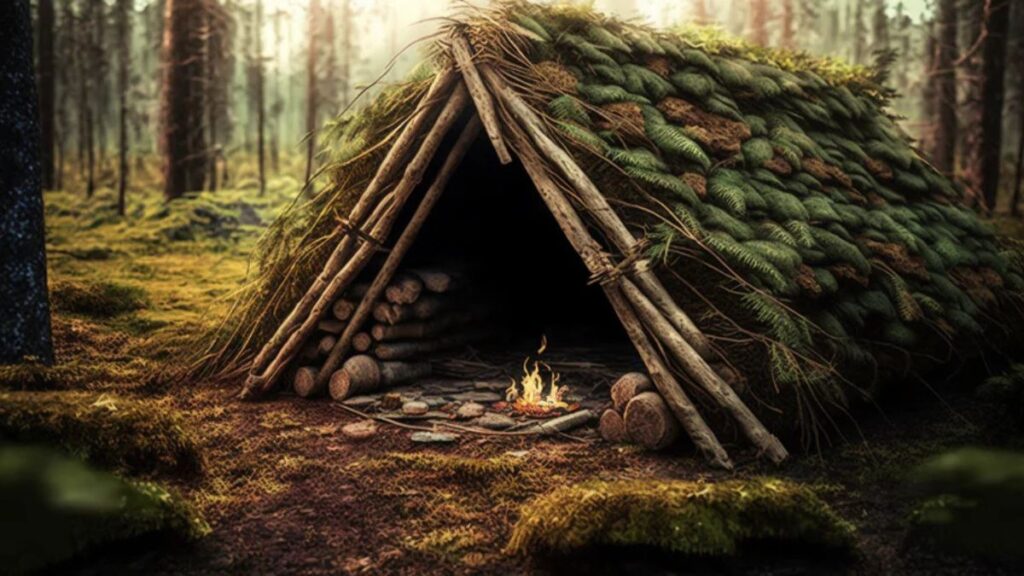
Imagine early humans recognizing that covering stretched over bent branches mimics the curve of a ribcage — a heart-beating protective vault against cold, rain, wind.
That recognition was the seed of architecture itself.
II. The Physics of Protection
A tênt is simple — yet brilliant:
Shelter From Elements
The structure combats:
-
Rain with angled rain flies.
-
Wind with aerodynamic shapes.
-
Heat via ventilation.
-
Cold via layering and insulation.
The principles are the same whether a desert nomad’s goat-hair cloth or a high-performance alpine dome: stability + breathability + protection.
The earliest engineering lesson:
Stability comes from geometry; shelter comes from tension.
And that is where tênt earns its name — it is tension made useful.
III. A Timeline of Tents Across Civilizations
Let’s chart humanity’s most foundational structure through time:
1. Prehistoric Canvas:
Cloth and hide stretched over branches — the very first portable home.
2. Nomads of the Steppes
The Yurt (or ger):
Circular, wooden frames with felt coverings. These Mongolian innovations balanced warmth, portability, and social organization.
3. Middle Eastern Elegance
The Bedouin Tent:
Goat hair tents that breathe in desert heat and shed rain — a masterpiece of textile engineering in harsh climates.
4. Medieval Europe
Military and Trade tents — evolving into striped pavilions, heraldic banners, and proto-urban marketplaces.
5. The Age of Exploration
Canvas and rope became tools of empire and adventure. Tents went where ships docked and flags were planted.
6. Modern Camping Revolution
From heavy canvas to ultralight synthetics — tents democratized travel and brought wilderness within reach for millions.
IV. What Makes a Tênt a Home?
Ask any nomad: a tent is not a temporary dwelling — it’s a home. And homes have meanings.
Identity
The layout inside — rugs, hearth, sleeping quarters — reflects family structure, cultural priorities, and social rituals.
Ceremony
Tents are built with intention:
-
Cardinal orientation in deserts.
-
Smoke holes for morning rituals.
-
Thresholds that separate sacred and everyday spaces.
Memory
A tent isn’t just a shelter — it’s a container of moments:
-
First night under stars.
-
Rain pounding on nylon.
-
Conversation in the muted glow of lantern light.
These are emotional imprints that no wooden house ever fully captures.
V. The Psychology of Portable Space
Why do we feel at home under a fabric shell?
1. Boundary and Security
A tent creates a bounded space — a mini world with clear edges. That line between inside and outside is primal:
Safety is a line you draw around yourself.
Psychologically, a tent gives:
-
Control
-
Familiarity
-
A sense of belonging
2. Proximity to Nature
Unlike walls and windows, a tent invites nature in — through mesh screens, sounds, smells, wind.
You sleep with the world rather than behind it.
3. Ritual and Repetition
Setting up a tent becomes a repeated rite — each peg, pole, guy-line is a gesture of intention and agency.
Camping without this ritual would be merely sleeping outdoors — but the tent transforms it into experience.
VI. Anatomy of the Tênt
Let’s break down the essential components that make it sing:
1. Fabric
-
Traditional: canvas, animal hides
-
Modern: nylon, polyester, ripstop blends
Each fabric choice affects:
-
Breathability
-
Waterproofing
-
Pack weight
-
Durability
2. Poles
Aluminum, fiberglass, carbon — each bends gravity to human design.
3. Rainfly
A waterproof cloak that protects the inner.
4. Guylines and Stakes
Tension masters — they anchor dreams to the ground.
5. Vestibules
Space for gear, shoes, backpacks — an “anteroom” to the tent’s heart.
VII. Tents and Technology: From Canvas to Carbon
The evolution is nothing short of poetic:
-
Canvas was heavy but breathable.
-
Synthetic fabrics brought waterproofing and lightness.
-
Ultralight gear today packs tents into palm-sized bundles.
We’ve turned big square meters of shelter into kilogram-less dreams.
Technology hasn’t replaced the emotional resonance of tents — it’s only distilled it.
VIII. The Tênt as Cultural Symbol
Across world cultures, tents symbolize:
Freedom
The nomad’s life, unconstrained by bricks.
Impermanence
The Buddhist notion that all things are transient — even homes.
Community
Group tents at festivals, pilgrimages, peace camps — structures that foster collective experience.
Protest
Think of encampments as places of dissent — tents become statements.
In every one of these, the tent is language. A semiotic system of poles and seams that speaks.
IX. The Tent and the Environment
In an era of climate consciousness, tents hold unique ecological significance:
Low-impact shelter:
-
Minimal footprint
-
Reusable and portable
-
Often low material consumption
Outdoor immersion:
People in tents often feel the environment more — the breath of wind, the chill of dawn, the tremor of earth beneath.
It’s a reconciliation between human need and planetary presence.
X. A Philosophical Interlude: The Tent as Metaphor
Let’s slow down and think:
A tent is as temporary as the moment you step into it, yet as permanent as memory.
-
It is both ephemeral and essential.
-
A refuge and a challenge.
-
A boundary and a doorway.
In tents, we encounter dualities:
-
Shelter vs. exposure
-
Isolation vs. communion
-
Stillness vs. exploration
Like life.
XI. The Modern Renaissance of Tenting
Today, the tent is far more than camping gear:
A. Glamping
Luxury tents that blur hospitality and wilderness.
B. Pop-up Experiences
Tents as venues for:
-
Outdoor cinemas
-
Yoga retreats
-
Haunted attractions
-
Music stages
C. Refuge and Humanitarian Space
Tents are deployed in crises — earthquake zones, refugee camps — real human homes when homes are gone.
XII. Tenting as Cultural Touchstone: Stories from Around the World
Across continents, tents shape stories — not just shelter:
In the Sahara
Bedouins tell tales under goat-hair canopies about stars that carry omens.
In Mongolia
Camel caravans circle yurts — and elders speak of winds that talk.
In Patagonia
Campers orbit glaciers, awed by light and silence.
On Appalachian Trails
Hikers whisper of their first night beneath a nylon dome — nervous, reverent, alive.
Every tent harbors a human story — and that’s where the real architecture lies.
XIII. Choosing Your Tent: A Human Guide
If there’s one thing SPARKLE knows, it’s how to make ordinary information feel vivid.
Here’s how to think, not just pick:
Step 1: Know Your Purpose
-
Solo trek? Ultralight tent.
-
Family camping? Roomy cabin tent.
-
Festival? Quick‑pitch pop‑up.
Step 2: Match the Climate
-
Rainy? Full coverage rainfly.
-
Hot? Excellent ventilation.
-
Windy? Low dome shape.
Step 3: Consider Weight
Every gram matters when you carry it — but not when you drive.
Step 4: Think Experience
Is this a tool — or part of your memory bank?
Choose with intention not impulse.
XIV. Life Lessons from a Tent
Here’s where the metaphor becomes teacher:
1. Build Tension to Create Space
Just like a tent relies on tensioned poles and anchors, life relies on structure and discipline. Without form, everything collapses.
2. Impermanence is Freedom
A tent teaches that nothing is fixed — and that’s power, not loss.
3. Boundaries Enable Comfort
Walls don’t isolate — they define comfort zones. A tent’s boundaries help us relax not because they block the world, but because they frame it.
XV. The Night Inside: A Sensory Experience
Close your eyes. Imagine:
-
The soft rustle of fabric in the dusk breeze.
-
Damp earth scent after rain.
-
Flickering headlamp glow on tent walls.
-
The low hum of distant life.
That’s the embodied magic of tents. A multisensory lullaby.
XVI. Tênt as a Cultural Signifier in Art and Literature
From Hemingway’s camp scenes to modern travelogues, tents symbolize:
-
Transition
-
Vulnerability
-
Courage
-
Exploration
Artists use tents like a motif — temporary homes for permanent change.
XVII. Future of Tents: Innovation & Imagination
What comes next?
-
Inflatable structures
-
Smart tent fabrics that regulate temperature
-
Solar-integrated textiles
-
Rapid-deploy emergency shelters
Yet for all the tech, the essence remains: humanity under cover — looking outward and dreaming.
XVIII. Dear Reader — A Tent is You
At the end of this exploration, I want you to see this truth:
A tent is not just gear — it’s a philosophy.
It is:
-
A container of experience
-
A crucible of memory
-
A lens through which we see the world and ourselves
When you step into a tênt, you are not just entering shelter — you are entering frame, focus, becoming.
EPILOGUE: The Heart of the Tênt
If walls define cities and roofs define homes, then tents define adventure, adaptability, and human courage.
They are the structures that taught us first about shelter, then about space, then about self.
They remind us:
-
We are temporary.
-
We are resilient.
-
We are wanderers by design.
-
We craft meaning wherever we pitch.
And that — dear reader — is why a simple word like “tênt” resonates far beyond its letters.
It is the architecture of our wanderer soul.