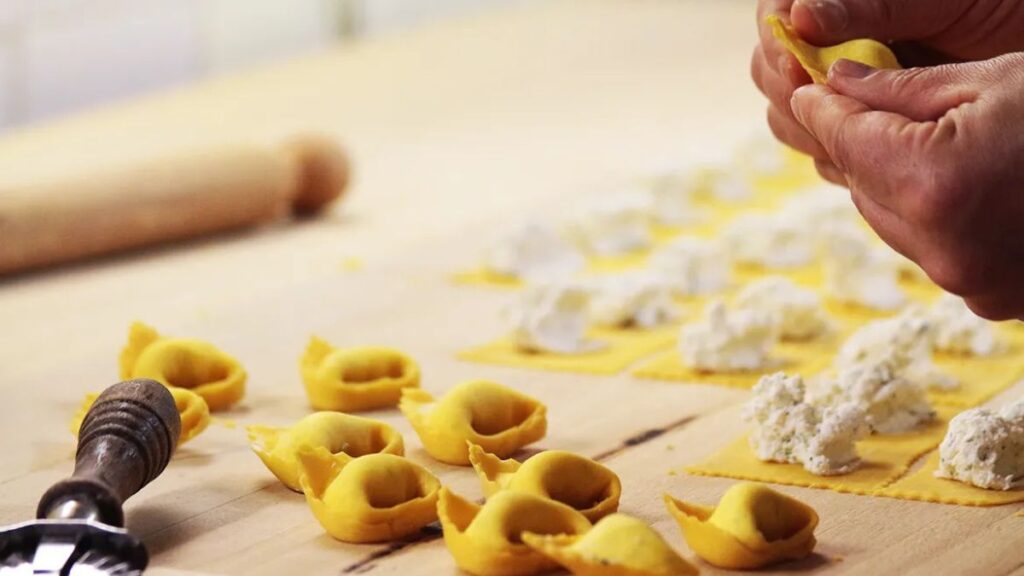
Introduction to Tortellinatrice
Step into the heart of Italian cuisine, where tradition meets passion. Welcome to the world of tortellinatrice—a delightful journey that celebrates the art of making traditional pasta. Imagine rolling dough, crafting small pockets filled with savory goodness, and creating a dish that embodies centuries of culinary mastery.
This isn’t just about food; it’s about heritage. Each tortellini tells a story rooted in family gatherings and rustic kitchens across Italy. Whether you’re an experienced cook or a curious beginner, this guide will take you through every step needed to create your own delicious tortellini at home using a tortellinatrice machine.
Get ready to roll up your sleeves as we explore everything from history and ingredients to variations and serving suggestions. Are you hungry for knowledge? Let’s dive into the enchanting world of tortellinatrice!
The Art of Making Traditional Italian Pasta
Making traditional Italian pasta is truly an art form. Each step requires attention and care, transforming simple ingredients into a culinary masterpiece.
The process begins with flour and eggs. The choice of flour matters, as it influences texture and taste. Kneading the dough by hand can be therapeutic; it brings out the gluten, creating that perfect elasticity.
Rolling out the dough is where creativity shines. Some prefer thin sheets for elegant dishes like ravioli or fettuccine. Others may opt for thicker cuts to hold hearty sauces.
Cutting shapes adds personality to your dish—think farfalle butterflies or delicate pappardelle ribbons. Each shape carries its own tradition.
Cooking fresh pasta demands vigilance too. A quick boil in salted water ensures that each piece retains its unique flavor and texture without becoming mushy.
This heartfelt approach connects chefs with generations past, celebrating heritage through every bite of homemade goodness.
History and Origins of Tortellinatrice
The tortellinatrice, a cherished tool in Italian kitchens, has its roots deeply intertwined with Italy’s culinary traditions. This iconic pasta maker emerged from the Emilia-Romagna region, famed for its rich gastronomy.
Historically, tortellini itself dates back to the early 12th century. Legend suggests that it was inspired by the shape of Venus’s navel—a nod to love and indulgence. As families passed down recipes through generations, they also refined their techniques for creating this beloved stuffed pasta.
Crafting tortellini requires not just skill but precision. The advent of the tortellinatrice allowed home cooks and professional chefs alike to produce perfect shapes consistently. This innovation changed how people approached traditional cooking methods.
Today, using a tortellinatrice evokes nostalgia while embracing modern convenience—a bridge between history and contemporary dining experiences in homes around the world.
The Ingredients and Tools Needed for Making Tortellinatrice
To embark on your tortellinatrice adventure, start with the essentials: flour and eggs. Use high-quality all-purpose or “00” flour for a tender dough that’s easy to work with. Fresh eggs bring richness and color, making your pasta vibrant.
Next, gather some tools to facilitate your process. A rolling pin is indispensable for achieving the perfect thickness of dough. If you want consistency, consider investing in a pasta machine.
Don’t forget about a cutting wheel or sharp knife for shaping those delicate circles of pasta. You’ll also need a clean surface—preferably wood—to roll out your dough without sticking.
Have small bowls ready for fillings and an airtight container to keep finished tortellini fresh until cooking time arrives. With these ingredients and tools at hand, you’re well on your way to crafting delightful tortellinatrice!
Step-by-Step Guide to Making Tortellinatrice with a Tortellinatrice Machine
Begin by preparing your pasta dough. Combine flour and eggs in a bowl, kneading until smooth. Allow it to rest for at least 30 minutes.
Next, make your filling. Traditional options include ricotta and spinach or a mix of cured meats. Season well to enhance flavors.
Once the dough is ready, roll it out thinly using the tortellinatrice machine. Adjust the settings for desired thickness as you pass the dough through multiple times.
Cut circular shapes from the rolled-out sheets, ideally around two inches in diameter. Place a small spoonful of filling in each circle.
Now comes the fun part: folding! Pinch two sides together to form a half-moon shape, then wrap it around your finger to create that iconic tortellini structure.
Cook them gently in boiling salted water until they float—about three minutes should do it!
Variations and Creative Fillings for Tortellinatrice
Tortellinatrice offers endless possibilities for creativity in the kitchen. Traditional fillings like ricotta and spinach remain classic favorites, but why stop there?
Experiment with seasonal vegetables to bring freshness to your pasta. Roasted butternut squash mixed with sage creates a delightful autumn flavor profile. For those craving something meatier, consider combining ground beef with fragrant herbs.
Cheese aficionados will love a blend of gorgonzola and walnuts for an adventurous taste experience. Or try smoked salmon with cream cheese for a luxurious twist that’s sure to impress.
Don’t forget about sweet options too! A filling made from mascarpone, honey, and lemon zest can transform tortellini into an exquisite dessert course. Each variation showcases the versatility of this beloved dish while allowing your culinary imagination to shine bright. Let your palate guide you as you explore these innovative combinations!
Tips and Tricks for Perfecting Your Tortellinatrice
To master the art of tortellinatrice, start with quality ingredients. Fresh eggs and high-protein flour make a world of difference in texture.
When rolling out your pasta, aim for thinness without compromising strength. A pasta machine can help achieve that perfect balance.
Keep your workspace dusted with flour to prevent sticking. If dough feels too wet or dry, adjust gradually until it’s just right.
Don’t rush the filling process. Make sure each piece is sealed tightly to avoid leaks during cooking.
Experiment with different fillings but always taste as you go. Balancing flavors is key to creating delightful bites.
Practice makes perfect. Embrace any mistakes; they often lead to delicious discoveries along the way.
Serving and Pairing Suggestions for Tortellinatrice
When it comes to serving tortellinatrice, the possibilities are vast and delightful. This traditional Italian pasta shines brightly when paired with rich sauces that enhance its flavor without overpowering it. A classic choice is a simple butter and sage sauce. The nutty aroma of browned butter combined with fresh sage leaves elevates the taste of your homemade tortellini.
Another fantastic option is a creamy Alfredo sauce, which adds a luscious texture that clings beautifully to each piece of pasta. For those who prefer something lighter, consider tossing your tortellini in olive oil and garlic before finishing off with grated Parmesan cheese and freshly cracked pepper.
Don’t overlook the power of garnishes! Fresh herbs like basil or parsley can lift the dish visually and add freshness on the palate. You might also sprinkle some toasted pine nuts for crunch or even drizzle balsamic reduction for an unexpected twist.
Wine pairing enhances any meal experience as well. A crisp white wine such as Pinot Grigio complements cream-based sauces nicely, while a light red like Chianti works well with tomato-based ones.
Serve your delicious creation alongside seasonal vegetables or a refreshing salad to complete the dining experience. Whether it’s an intimate family dinner or festive gathering, this authentic Italian delicacy will surely impress everyone at your table—bringing you one step closer to Italy right from your own kitchen!




![Peggy Brim/ Peggy Bewkes- Time Warner Jeff Bewkes’ soon-to-be Ex-wife [PHOTOS]](https://wagcenter.com/wp-content/uploads/2026/01/Peggy-Brim-150x150.jpg)